The Importance of HS Codes and Country Codes in Tariff Compliance
Harmonized System (HS) Codes, a standardized numerical system for classifying traded products, have long been essential in determining tariff rates. However, Country Codes also play a critical role in how tariffs are applied to goods. These codes, which identify the origin of goods, are integral to customs operations. Both HS Codes and Country Codes influence the calculation of duties, taxes, and tariffs that apply to a product.
Implications for Canadian Businesses:
- HS Codes determine the tariff classification of a product, which ultimately defines how much duty will be imposed.
- Country Codes are used to signify the country of origin for products, which directly impacts the rate of tariffs that will apply. U.S. tariffs are often differentiated based on the exporting country. For instance, goods from Canada may face a different rate than those from other nations, or tariffs may be escalated based on the country code classification.
An incorrect or incomplete Country Code declaration can result in customs delays, misapplied tariffs, and penalties, adding unnecessary costs to already strained supply chains.
Understanding the New U.S. Tariffs on Canadian Imports
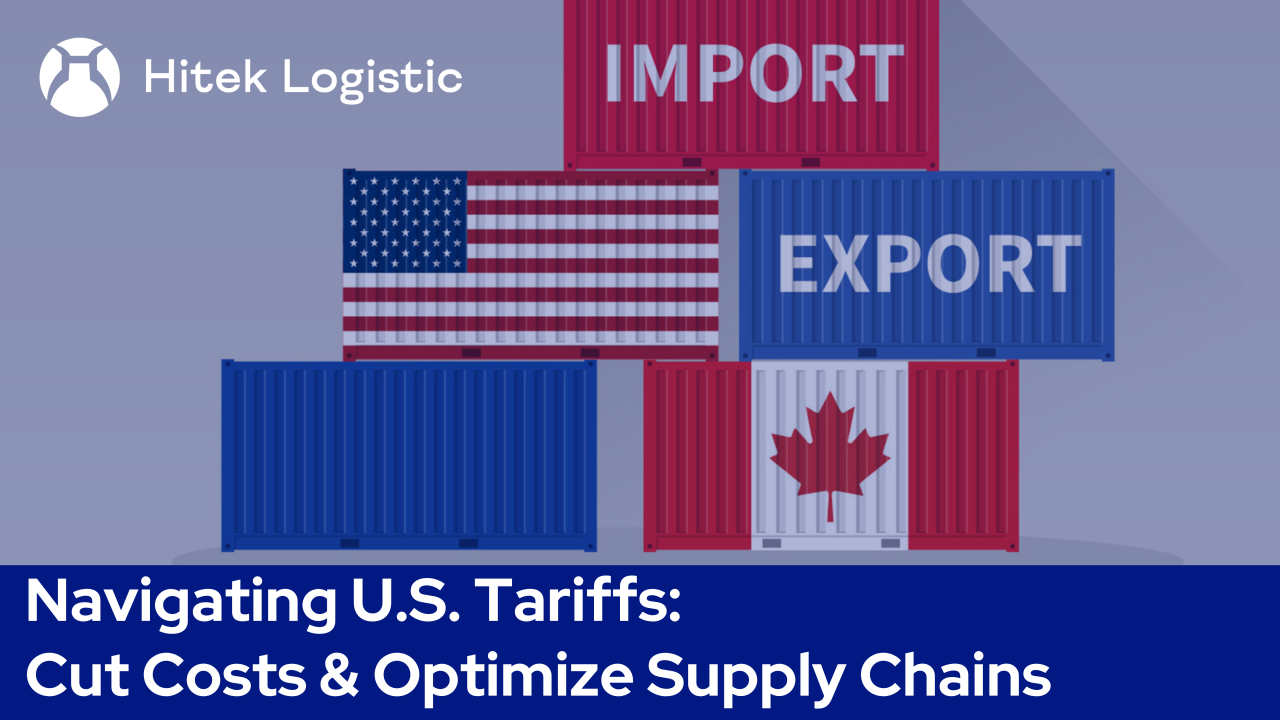
The U.S. government has implemented a 25% tariff on a wide range of goods imported from Canada, with energy-related imports facing a 10% tariff. These measures affect industries such as automotive, manufacturing, and food exports, and their direct impact on Canadian exporters and U.S. buyers cannot be understated. With the added complexity of Country Codes, businesses must ensure accurate documentation to avoid unnecessary delays or tariff misclassification.
Why Are These Tariffs Happening?
Tariffs are often introduced as a means of protecting domestic industries and influencing trade negotiations. However, as seen in past tariff impositions, they often lead to unintended consequences, such as increased consumer prices, logistical bottlenecks, and retaliatory measures. For Canadian businesses, the heightened costs of exporting goods to the U.S.—Canada’s largest trading partner—create new challenges, especially when combined with tariff classifications based on HS and Country Codes.
Who Is Most Affected?
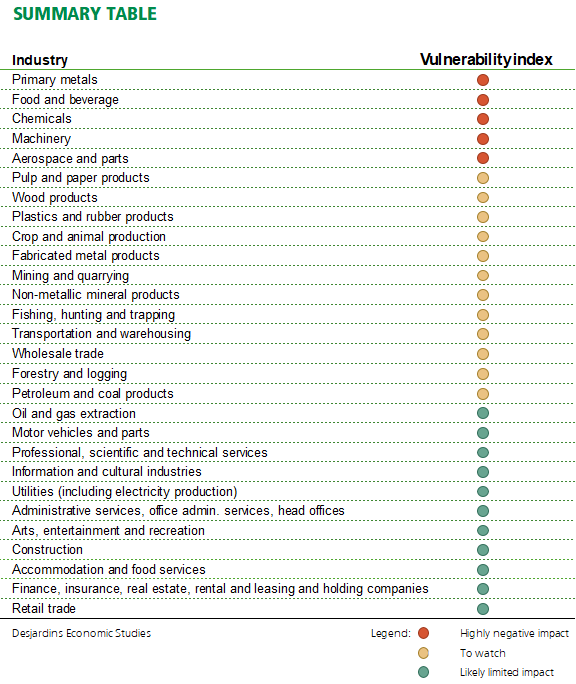
Industries that depend on cross-border supply chains are particularly vulnerable to tariff hikes:
- Manufacturing: Companies relying on Canadian raw materials, such as steel and aluminum, will experience increased costs due to higher tariffs and possibly more stringent Country Code classifications.
- Agriculture & Food Exports: Canadian food producers sending goods to the U.S. may find their products subject to steeper tariffs, compounded by the necessity to ensure correct Country Code declarations to avoid additional costs.
- Automotive: The integrated nature of the U.S.-Canada auto supply chain makes it particularly sensitive to tariff fluctuations. Even small discrepancies in HS or Country Code declarations can cause production delays or increased costs.
- Logistics & Freight: Supply chain managers must adapt quickly to the new tariff environment by adjusting logistics strategies, accounting for Country Code impacts on tariff rates, and ensuring compliance.
How Canadian Businesses Can Reduce the Impact of Tariffs
Despite the challenges posed by tariffs and Country Code intricacies, Canadian businesses can take proactive steps to safeguard their operations:
1. Diversifying Export Markets
Relying heavily on the U.S. market exposes Canadian businesses to tariff volatility. By seeking markets outside of North America, businesses can reduce their exposure to the U.S. tariffs and diversify risk. For instance, Canadian companies should look into other trade agreements, such as the Comprehensive Economic and Trade Agreement (CETA) with the European Union, which provides favorable trade terms for Canadian exporters.
Actionable Step: Investigate trade agreements and country-specific tariff policies to identify new markets with more favorable conditions. [Source: Reuters]
2. Strengthening Supply Chain Efficiency
Internal operational efficiency becomes more critical as tariffs increase. To remain competitive, businesses should focus on:
- Optimizing Shipping Routes: Companies should consider alternatives to traditional routes to mitigate higher shipping costs.
- Automating Logistics Operations: Automation reduces manual processing, ensuring faster and more accurate handling of logistics.
- Using Real-Time Tracking and Data: Data-driven tools help businesses forecast and adapt to shifting trade patterns influenced by tariffs and country-specific factors.
How HitekGo Helps Businesses Control Costs:
- Instant Rate Comparisons: Identify the most cost-effective carriers by analyzing tariffs by both HS Code and Country Code.
- Automated Freight Management: Minimize operational delays and optimize shipping decisions.
- Bulk Shipping Discounts: Offset tariff increases by taking advantage of pre-negotiated carrier rates.
[Explore HitekGo: hitek.com/rateshopper/hitekgo]
3. Using Rate Shopping Tools to Avoid Overpaying on Freight
Tariff fluctuations, including changes in Country Codes and HS Code applications, contribute to shipping cost volatility. A rate shopping tool like HitekGO helps businesses reduce freight costs by ensuring that all tariff factors—such as Country Codes and HS Codes—are accounted for in the rate calculation.
How HitekGO Helps:
- Up to 20% Freight Savings: The tool automatically identifies the most affordable carriers and tariff-compliant shipping solutions.
- Improved Flexibility: Businesses can switch carriers based on costs and service delivery, considering tariff implications.
- Faster Decision Making: Eliminate the need for manual rate comparisons that may miss important tariff-related details.
Source: Deposco
4. Working with a Strategic Logistics Partner
A strategic logistics provider is key to helping Canadian businesses navigate the complexities of tariffs and Country Code classifications. Trusted providers can assist by:
- Providing Expert Trade Insights: Help businesses interpret how Country Codes affect tariff rates and stay compliant with customs regulations.
- Offering Technology-Driven Solutions: Use advanced logistics platforms to track, analyze, and optimize shipping costs.
- End-to-End Supply Chain Management: Ensure that all facets of the supply chain are optimized, including tariff calculation and documentation for HS and Country Code compliance.
Source: FarEye
5. Staying Engaged with Trade Policy & Advocacy
Canadian businesses should advocate for more predictable and fair trade conditions by collaborating with industry associations and engaging with government representatives. This ensures that the real-world impact of tariffs, including the use of Country Codes and HS Codes, is addressed in trade discussions.
Actionable Step: Stay informed on ongoing trade discussions, which may impact tariff rates and how Country Codes are applied, to anticipate shifts in policy.
[Government of Canada’s Official Trade Response: canada.ca]
The Bottom Line: Planning Ahead for a Shifting Trade Landscape
While tariffs and the correct application of HS and Country Codes introduce complexity, Canadian businesses can remain competitive by adopting efficient logistics strategies and leveraging technology to navigate the new tariff environment.
Key Takeaways:
- Diversify Export Markets: Reduce reliance on the U.S. market to minimize tariff exposure.
- Leverage Rate Shopping Tools: Use HitekGO to manage freight costs and tariff compliance.
- Partner with Strategic Logistics Providers: Ensure accurate Country Code and HS Code classification to avoid tariff misclassification.
- Advocate for Fair Trade Policies: Stay engaged in trade discussions to shape favorable business conditions.
By focusing on core operations and relying on expert logistics partners, like HitekGo, to handle the complexities of tariffs, HS Codes, and Country Code classification, Canadian businesses can overcome the challenges posed by these new regulations while optimizing shipping costs and improving efficiency.
Contact pour média
Athina Tzinevrakis
Hitek Logistic
Tél.: 514.631.5115 ext.110
atzinevrakis@hitek.com